Moore Air LLC Reviews: Answering Common Homeowner Questions About Fall Heating Startup
Why Does Turning On the Heat for the First Time Raise So Many Questions?
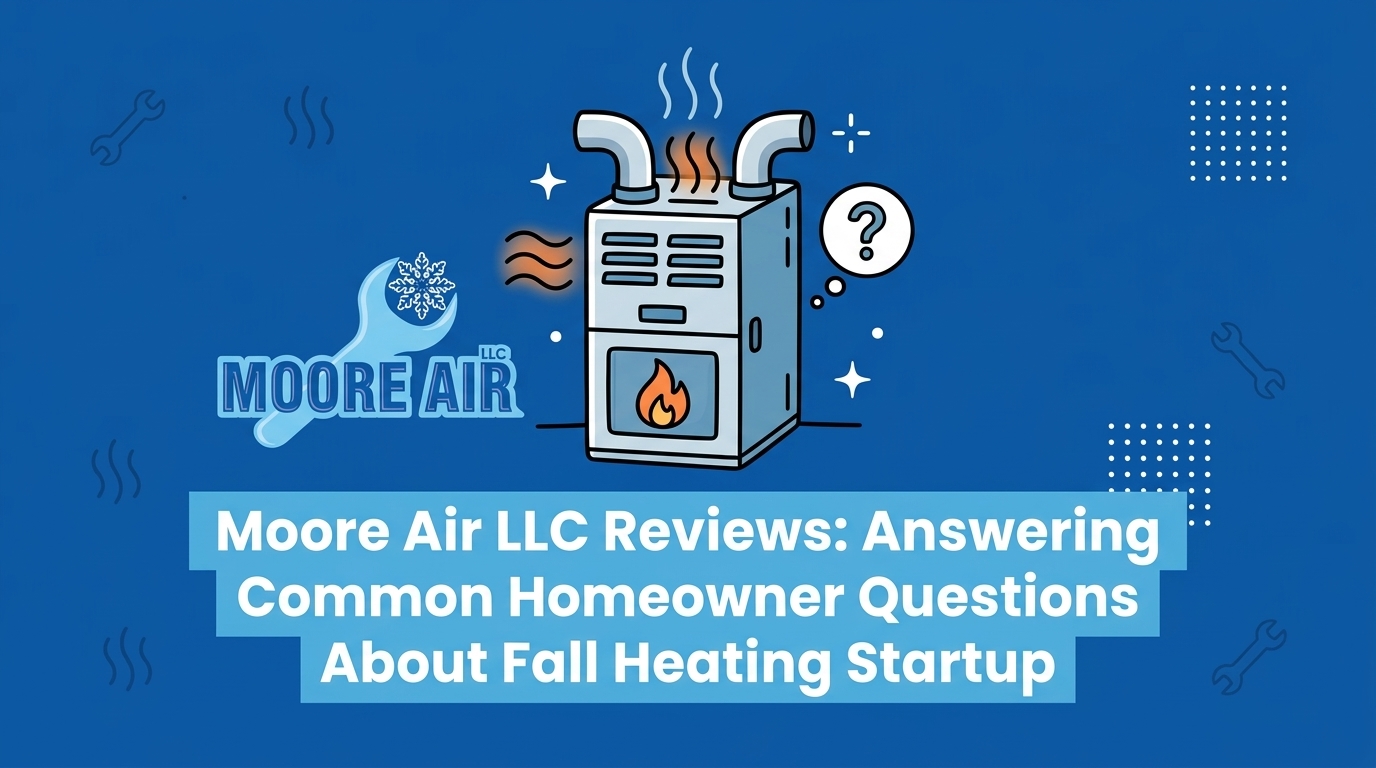
If you are looking to get common homeowner questions answered, that sudden, unexpected burning smell during the October heating-startup usually ranks right at the top of the list. You switch your thermostat from cool to heat for the first chilly desert night of the season, and within minutes, a strong, singed odor fills your hallways. For most people, the immediate reaction is alarm. You might wonder if a wire is melting, if the furnace is overheating, or if you need to evacuate the house.
When reading through Moore Air LLC reviews, you will notice a pattern of homeowners seeking reassurance about these exact seasonal transitions. After months of running your air conditioning non-stop, switching over to the heating cycle often introduces unexpected sounds and smells into your living space. The primary challenge is determining whether that odor is a harmless seasonal occurrence or a dangerous electrical issue that requires immediate professional intervention.
Understanding the difference between normal dust burn-off and a genuine hazard is the foundation of safe, stress-free winter preparation. By learning exactly what happens inside your system during that first fall heating cycle, you can make informed decisions about your home comfort without unnecessary panic.
The Impact of Summer Weather on Your Dormant Heating System
To understand why your heater smells like a campfire in October, you have to look at what your system was doing all summer. Your heating and cooling components share the same ductwork and blower motor. While your air conditioner runs continuously to battle the extreme heat, the heating components—specifically the heat exchanger—sit completely dormant in the dark.
In the Litchfield Park AZ area, our regional climate plays a massive role in this process. Phoenix-area monsoon storms and heavy haboobs significantly increase the amount of fine desert dust in the air. This microscopic particulate matter, often classified as PM10, is so small that it can bypass even high-quality air filters over time. As the blower motor pushes chilled air through the system all summer long, this fine dust settles directly onto the cold, inactive metal of the heat exchanger.
If you have ever needed air conditioner repair in Litchfield Park, you already know how heavily our local weather taxes HVAC equipment. The dust accumulation is a normal environmental reality of living in the desert, not necessarily a sign that you have a failing filter or a broken system.
How Continuous Summer Cooling Contributes to Fall Dust
The sheer volume of air moving through your home during the summer creates the perfect conditions for dust buildup. Here is how the process unfolds:
- Continuous airflow: The blower motor circulates micro-dust throughout the dormant heating chamber every time the AC kicks on.
- High summer winds: Intense seasonal winds force fine particulates into attics, rooftop units, and tiny gaps in your home’s envelope.
- Static accumulation: The combination of continuous airflow and desert dust creates a much thicker layer of debris on heating components than systems in milder climates ever experience.
When the thermostat finally calls for heat in the fall, the furnace burners ignite, and that metal heat exchanger gets incredibly hot very quickly. The sudden spike in temperature instantly incinerates the accumulated layer of summer dust all at once, pushing that burned smell directly through your vents.
Decoding the Odor: Is It Normal Dust Burn-Off?
When you detect a burning smell when the heater turns on, the next step is observing the specific characteristics of the odor. Normal dust burn-off has a very distinct profile. It is often described as a dry, dusty, or slightly singed smell—similar to the scent of a space heater that has just been pulled out of a closet, or a hair dryer that has trapped a bit of lint.
This is where understanding your system saves you money. Because we believe in providing honest quality work and fair prices, we explicitly tell homeowners that they do not need to pay for a repair service call if the smell is just the normal seasonal dust burn-off. If the system is operating safely and the odor fits the standard profile, patience is usually the only required solution.
The 10-to-30 Minute Rule
To safely monitor your system during the first fall heating cycle, follow this simple checklist:
- Monitor the timeline: The burning dust smell should begin to dissipate within 10 to 30 minutes of the first heating cycle.
- Ventilate the space: Open a few windows temporarily to help clear the air and ventilate the home during this initial burn-off phase.
- Check your alarms: Ensure your smoke alarms and carbon monoxide detectors are functional, but do not panic if the scent is strong initially.
- Watch for persistence: If the smell persists beyond 30 minutes, or if it grows significantly stronger instead of fading, it crosses the line from normal to concerning.
If the smell fades quickly and your home begins to warm up normally, you can rest easy knowing your system has successfully cleared its summer dust and is ready for the winter ahead.
Recognizing HVAC Emergencies: When to Shut Down the System
While a dusty, singed odor is normal during an October heating-startup, certain smells indicate a severe mechanical or electrical failure. If you smell ozone (which smells like a lightning storm or a harsh electrical spark), melting plastic, or a distinct “fishy” odor coming from your vents, you are dealing with a hazard. These specific smells almost always indicate melting wire insulation, an overheating capacitor, or a failing blower motor.
If you detect any of these dangerous odors, you must take immediate action. Walk straight to your thermostat and turn the heating system off completely. Do not wait to see if the smell goes away, and do not run the system just to keep the house warm. Operating a furnace with failing electrical components can lead to extensive equipment damage or create a severe fire hazard in your home.
Once the system is powered down, it is time to call for comprehensive HVAC services to diagnose the root cause safely.
The Dangers of DIY Electrical Inspections
It is incredibly tempting to grab a flashlight and pull the service panel off your furnace to see what is burning. We strongly advise against this. Modern HVAC systems contain high-voltage capacitors that hold a lethal electrical charge even after the power is disconnected, as well as complex control boards that are easily damaged by static electricity.
- High-voltage risks: Internal components can deliver dangerous shocks if handled improperly.
- Hidden damage: Melting wires often occur inside the blower motor housing or behind control boards where they cannot be easily seen.
- Voided warranties: Opening sealed electrical compartments can void manufacturer warranties on newer equipment.
Prioritize your family’s safety by leaving the unit powered down at the thermostat and waiting for a licensed professional to perform a thorough diagnostic evaluation.

The Value of Transparent Troubleshooting for Fall Maintenance
When a system exhibits concerning symptoms that go beyond a simple dust burn-off, accurate diagnostics become critical. You need to know exactly what is failing to avoid paying for unnecessary replacements or temporary band-aids. This is exactly why honest diagnostics matter so much during the fall maintenance season.
A professional technician will approach the problem methodically. They will test the electrical draw on the blower motor, inspect the heat exchanger for cracks using specialized cameras, and verify the integrity of the wiring harness. Most importantly, a reputable company operates with a strict “no games in HVAC pricing” philosophy. They will show you exactly what component has failed, explain the mechanics of why it happened, and outline all available repair options without resorting to high-pressure sales tactics.
One local homeowner in Litchfield Park AZ recently reached out for a reliable split system installation after experiencing poor troubleshooting and unrealistic replacement pressure elsewhere. The technicians arrived on time, completed the installation cleanly, and even corrected faulty wiring on the property for free. The outcome was a project with zero surprises or hidden fees, proving that honest diagnostics save homeowners from bait-and-switch tactics and build lasting confidence.
Building Trust Through Clear Communication and Reliable Service
Dealing with a burning smell when the heater turns on is stressful enough; you should not have to stress about the integrity of the person fixing it. The foundation of a great service experience is a contractor who takes the time to discuss both short-term fixes and long-term system projections. When a technician uses clear, jargon-free communication, it ends the frustrating search for a reliable HVAC provider and puts the control back in your hands.
Treating people the way they want to be treated is the core of lasting home comfort. That means answering questions patiently, showing up when promised, and standing behind the work. Another local customer experienced a Saturday emergency breakdown during a severe summer heatwave. With no local help seemingly available elsewhere, a technician arrived within 15 minutes, fully repaired the system, and took the extra time to teach the homeowner how to keep the unit clean moving forward. That level of consistent, honest service builds a track record of community trust.
Whether you are dealing with a minor seasonal odor or a major mechanical failure, clear communication ensures you always know the status of your equipment and the exact steps needed to restore it.
Frequently Asked Questions About Fall Heating Startup
Why does my heater smell like burning dust?
Your heater smells like burning dust because microscopic particulates settle on the dormant heat exchanger during the summer months. When you turn on the heat for the first time in the fall, the sudden high temperatures instantly incinerate this accumulated layer of debris. This rapid burn-off process creates a temporary, singed odor that travels through your ductwork and out of your vents. It is a normal environmental occurrence, especially in areas with high summer dust levels.
How long should a heater smell when first turned on?
A heater should only smell for about 10 to 30 minutes during its initial startup of the season. Once the thin layer of summer dust has been completely incinerated off the heat exchanger, the odor will naturally dissipate as fresh air circulates through the home. If the smell lasts longer than half an hour, or if it returns later in the season, it may indicate a larger issue that requires professional attention.
When is a burning smell from a furnace an emergency?
A burning smell from a furnace becomes an emergency when the odor resembles melting plastic, sharp ozone, or a distinct fishy scent. These specific smells indicate that electrical components, wire insulation, or blower motors are overheating and actively failing. If you detect any of these odors, or if a standard dust smell persists for hours, you must shut the system off at the thermostat immediately to prevent further damage or fire risks.
What does an electrical fire smell like in a furnace?
An electrical fire in a furnace typically produces a sharp, acrid odor that is often compared to melting plastic, burning rubber, or a strong fishy scent. Unlike the dry, dusty smell of normal seasonal burn-off, an electrical burning smell is harsh and tends to catch in the back of your throat. This odor is caused by the synthetic insulation around wires melting under extreme heat or electrical arcing.
Can a burning smell from a heater be dangerous?
Yes, a burning smell from a heater can be dangerous if it is caused by electrical failure, a cracked heat exchanger, or an overheating motor. While the brief smell of burning dust during the first October startup is harmless, persistent acrid odors indicate a serious safety hazard. Ignoring these warning signs and continuing to run the system can lead to extensive equipment damage, electrical fires, or poor indoor air quality.
Should I open my windows during the first fall heating cycle?
Yes, opening your windows temporarily during the first fall heating cycle is a highly recommended practice. Providing cross-ventilation helps clear the singed dust odor out of your home much faster and improves overall indoor air quality during the 10-to-30 minute burn-off phase. Once the smell has dissipated, you can close the windows and allow your heating system to warm the house efficiently.
Get Professional Peace of Mind for Your Winter Comfort
While a brief, dusty odor during your October heating-startup is perfectly normal, your family’s safety and comfort should never be left to guesswork. Understanding the clear, safe criteria to differentiate harmless dust burn-off from an electrical emergency empowers you to take the right action at the right time. If you ever detect melting plastic or ozone smells, or if you simply feel unsure about your system’s performance, do not hesitate to schedule a professional inspection. Reaching out for honest, transparent diagnostic services in Litchfield Park AZ ensures your equipment is truly ready for the cold desert nights ahead.